Opus 5.5 vs Fable 5.1 for Design: UI, Layout, and Visual Review Compared

By Julian Brooks
MyClaw Editorial
MyClaw
Run Best-in-Class AI Agents Now
Run OpenClaw or Hermes Agent on managed MyClaw hosting, so your AI agent stays online, updated, and ready for real work.
Start HostingAI Takeaway
- Which model is better for most design work? Claude Opus 5.5. Anthropic says it performs at the level of Claude Fable 5.1 on most work while costing about 40% less to run than Opus 5, which makes it the sensible default for pages, components, and layout reviews.
- Which one reads screenshots and mockups better? Opus 5.5 is the safer pick for visual review. Anthropic reports it reads dense charts, diagrams, and screenshots much more accurately than Opus 5, including where meaning depends on position.
- When does Fable 5.1 earn its place? On long, complex design-to-code runs, such as turning a multi-screen design system into a working front end over hours of agent work.
- How do the prices compare? At list price, Nov 2026, Opus 5.5 costs $4 input and $20 output per million tokens, while Fable 5.1 costs $10 and $50.
- Can you run design reviews without managing a server? A hosted OpenClaw or Hermes agent on MyClaw stays on around the clock, uses popular LLMs for free, and takes screenshots and requests over Telegram, WhatsApp, email, or the browser.
Opus 5.5 vs Fable 5.1 for Design at a Glance
| Dimension | Claude Opus 5.5 | Claude Fable 5.1 |
|---|---|---|
| Release date | September 22, 2026 | September 1, 2026 |
| Model ID | claude-opus-5-5 | claude-fable-5-1 |
| Context / max output | 1M / 128K tokens | 1M / 128K tokens |
| Default effort | Medium | High |
| Visual reading | Sharper on charts, diagrams, and screenshots than Opus 5 | Strong on dense-document vision |
| Design defaults | Falls back to stock styles without direction | No design-specific guidance published |
| Long runs | Sustains long autonomous work better than Opus 5 | Built for multi-hour agent harnesses |
| List price, Nov 2026 (input / output per 1M) | $4 / $20 | $10 / $50 |
| Best design fit | Pages, components, layout and screenshot review | Large design-to-code builds |
Both models think before every reply, and both are controlled mainly through the effort setting. For a general, non-design comparison, see Opus 5.5 vs Fable 5.1.
UI and Page Generation
For everyday design output, such as a landing page, a pricing section, or a settings screen, Opus 5.5 is the more practical model. It is fast, and at its default medium effort Anthropic reports it matches or beats Opus 5 at high effort on coding tasks, in fewer steps and with fewer tokens, which matters when a page has to be built, not just mocked up.
Its main weakness is predictable: Anthropic's guidance notes that with no design direction, Opus 5.5 falls back on a few default styles, and a vague request like "avoid a generic look" mostly swaps one default for another. What works is naming the patterns you do not want: cream or off-white backgrounds, italic accent words in headings, numbered "01 / 02 / 03" section labels, monospace labels, or pill-shaped buttons. Then look at what it chose instead and extend the list if needed. The Opus 5.5 prompting guide covers this pattern in more depth.
Fable 5.1 can produce polished UI too, but for a single page its higher default effort mostly adds time and tokens. It becomes more useful when a request spans many linked screens and the model has to keep the whole system consistent, from typography and spacing tokens to shared components and navigation patterns.
Reading Mockups, Screenshots, and Diagrams
A large share of design work is review: checking a build against a mockup, spotting spacing issues in a screenshot, or reading a flow diagram. This is where Opus 5.5 stands out.
Anthropic reports that Opus 5.5 reads values off dense charts more accurately than Opus 5, even at its lowest effort setting compared with Opus 5 at its highest, while using far fewer output tokens. It is also better when meaning depends on position rather than text: which boxes an arrow connects in a flowchart, or what changed between two versions of a diagram. For design review, that translates into more reliable feedback on alignment, hierarchy, and missing elements.
Fable 5.1 is aimed at dense-document vision work as well, and developers report that it uses vision to check its own output against the stated design goal before calling a task done. That habit is valuable inside long build loops, though for one-off reviews Opus 5.5 is usually enough. To see how a Claude-based design workflow handles mockups end to end, read about Claude Design.
Long Design-to-Code Runs
Some design jobs are really engineering jobs: converting a component library into code, migrating a design system, or building a full multi-page prototype with tests. These runs can last hours and involve many tool calls.
Fable 5.1 is aimed at exactly this kind of work: Anthropic's current flagship targets whole-codebase work and multi-hour agent harnesses, with a 1M-token context window and adaptive thinking that is always on. On large, interconnected builds, it is the model to escalate to. The Fable 5.1 review covers its specs and behavior in detail.
Opus 5.5 narrows the gap. Anthropic says it sustains long autonomous work better than Opus 5 and generates output more than 30% faster. For most front-end builds, start with Opus 5.5 at high effort and only move to Fable 5.1 if it still stalls.
Cost Per Design Iteration
Design is iterative, so the cost of each round matters more than the cost of a single prompt. A page that needs six rounds of feedback can cost more on a cheap model than two rounds on an expensive one.
At list price, Nov 2026, Opus 5.5 costs $4 per million input tokens and $20 per million output tokens, with cache reads at $0.20 per million. Fable 5.1 lists at $10 and $50, with cache reads at $0.25 per million. Because design sessions repeatedly resend the same brief, style rules, and screenshots, caching that stable material keeps both models affordable over many rounds.
Effort settings shift the math further. Opus 5.5 defaults to medium effort, while Fable 5.1 defaults to high, so a like-for-like test should set effort explicitly on both. In practice, the number of iterations needed to reach an approved design often matters more than the price per token. Track rounds per approved screen for a week before deciding. For a broader look at value, see the Opus 5.5 review.
Which Model to Pick for Each Design Job
- Landing pages and marketing sections: Opus 5.5, with a clear list of styles to avoid.
- Single components and UI states: Opus 5.5 at medium effort.
- Screenshot QA and design redlines: Opus 5.5, thanks to its sharper visual reading.
- Flowcharts and diagram reviews: Opus 5.5.
- Full design system to code: Fable 5.1, or Opus 5.5 at high effort first.
- Multi-hour prototype builds with tests: Fable 5.1.
If you are also weighing dedicated design tools against general models, Google Stitch vs Claude Design compares two common starting points.
Run Design Reviews on an Always-On Agent with MyClaw
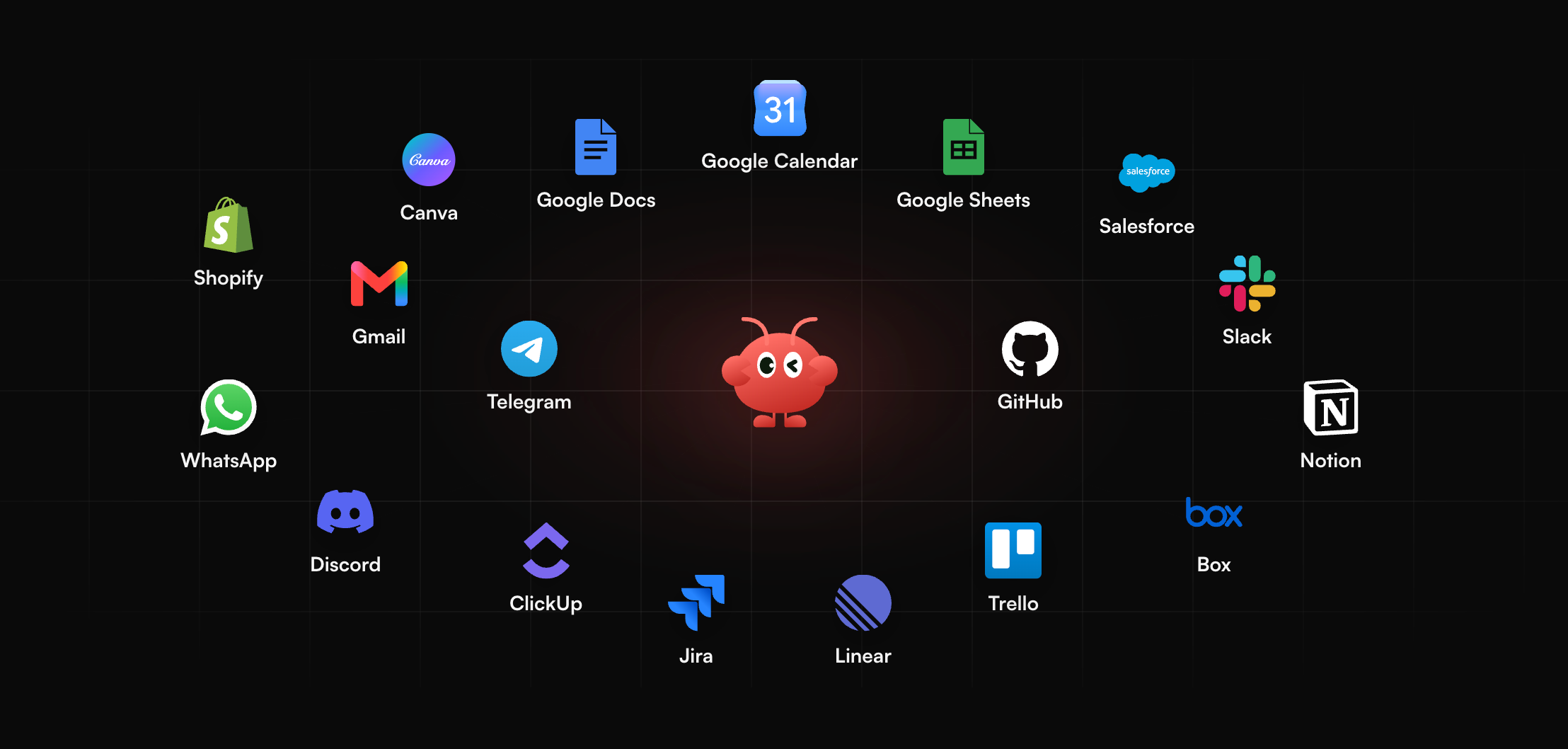
Design feedback often arrives when you are away from your desk. MyClaw runs a hosted OpenClaw or Hermes agent that stays on around the clock, works with popular LLMs for free, and answers you on Telegram, WhatsApp, email, or in the browser. It can also run scheduled jobs, with no server work on your side.
In practice, that might mean sending a screenshot from your phone and getting a quick critique of spacing and hierarchy, having the agent check a staging page every night and flag layout changes, or receiving a weekly digest of open design feedback.
- Create your agent. Sign up and choose OpenClaw or Hermes.
- Pick your model and connect a channel. Select from the models available to your account, then link Telegram, WhatsApp, email, or use the browser.
- Send a design task or set a schedule. Share a screenshot with your style rules, or schedule a recurring review.
Conclusion
For most design work, Opus 5.5 is the better choice: it is faster, costs less at list price, and reads screenshots and diagrams with more precision. Give it a specific list of styles to avoid, and it delivers cleaner pages and sharper reviews. Fable 5.1 is the model to escalate to when a design turns into a long, complex build that needs hours of consistent agent work. Start with Opus 5.5, measure how many rounds each job takes, and switch only when the work demands it.
Skip the Setup, Run Best-in-Class AI Agents Now
Launch a managed OpenClaw or Hermes Agent workspace in minutes, with always-on hosting, updates, and support handled by MyClaw.
Get Started