Claude Mythos 5.2 Review: Performance, Pricing & Access

By Julian Brooks
MyClaw Editorial
MyClaw
Run Best-in-Class AI Agents Now
Run OpenClaw or Hermes Agent on managed MyClaw hosting, so your AI agent stays online, updated, and ready for real work.
AI Takeaway
- Is Claude Mythos 5.2 worth it? It merits a trial for eligible security and life sciences teams whose work needs specialist access. For everyday coding, start with Opus 5.5.
- How does it differ from Fable 5.2? They share an underlying model. Fable adds cybersecurity and biology safeguards; Mythos requires verification.
- What does it cost? Standard API rates are $8 per million input tokens and $40 per million output tokens: 20% below Mythos 5.1. Fast mode doubles the standard rates.
- What is the main limitation? Access is restricted, and published benchmark gains do not establish a universal advantage over Opus 5.5. This review assesses official evidence, without independent hands-on testing.
- Should existing Mythos 5.1 users upgrade? Lower token prices make 5.2 worth comparing, but check accepted results and total task cost before migrating an established workflow.
What Is Claude Mythos 5.2?
Released on November 9, 2026, Claude Mythos 5.2 is Anthropic's verification-required counterpart to Fable 5.2. The distinction matters most when legitimate security or research biology work encounters Fable's additional safeguards. Mythos access remains subject to Anthropic's approval and usage conditions.
The official specifications list a one-million-token context window, maximum output of 128,000 tokens, and the API identifier claude-mythos-5-2. The large context window gives you room for code, documentation, and supporting evidence in the same task. Successful analysis still depends on selecting useful context and checking the output.
The model is only one part of a working agent. Claude Code and hosted OpenClaw workspaces provide tools and execution environments around model calls. The Claude versus MyClaw comparison explains how those product choices affect ongoing work.
Mythos makes the strongest case when access to its specialist capabilities removes a real obstacle in an existing workflow. Ordinary coding alone is a weaker reason to apply.
How Good Is Mythos 5.2 on Published Benchmarks?
Cybersecurity and Scientific Research Results
Anthropic's launch table reports the following Mythos-specific results:
| Evaluation | Mythos 5.2 | Useful context |
|---|---|---|
| CVE Rediscovery | 89.6% | Mythos 5.1 scored 78.3% |
| CyScenarioBench | 76.3% | Tasks differ between labs |
| Terminal-Bench-Science 0.1 | 75.3% | Scientific agent evaluation |
The CVE Rediscovery improvement is 11.3 percentage points, approximately 14.4% relative to the earlier score. That is a meaningful gain on this evaluation, rather than a promise of 14.4% more findings in every audit.
The strongest evidence here concerns specialist technical work. General coding scores in the announcement are often reported under Fable, so this review keeps the Mythos-specific measurements separate.
What the Scores Leave Unanswered
Cross-provider comparisons need particular care on CyScenarioBench because the labs did not all receive identical tasks. CVE Rediscovery tests previously disclosed vulnerabilities using project snapshots from before their fixes. It provides a retrospective discovery measure, rather than a direct forecast of novel bugs found in your repository.
Anthropic also qualifies its security claims: a launch-post footnote describes vulnerability identification on its own evaluations as roughly comparable to Opus 5.5. The practical advantage therefore depends on which capability and task you measure.
For security teams, the practical question is whether Mythos produces more actionable findings with less verification work. Count confirmed issues, false alarms, and reviewer time together. Finding volume alone can reward a model that produces a long queue of weak leads.
For example, an authorization review should identify the request receiving incorrect access and include a test that exposes the failure. A proposed fix should pass that test while preserving legitimate access. This is a stronger signal than a confident explanation of a possible bug.
Mythos 5.2 Pricing: What Will a Real Task Cost?
These are published Claude API rates in USD per million tokens, checked November 10, 2026:
| Model and mode | Input | Output |
|---|---|---|
| Mythos 5.2 standard | $8 | $40 |
| Mythos 5.2 fast | $16 | $80 |
| Mythos 5.1 standard | $10 | $50 |
| Fable 5.2 standard | $8 | $40 |
| Opus 5.5 standard | $4 | $20 |
Mythos 5.2 is 20% cheaper per token than 5.1, matches Fable 5.2, and costs twice as much per token as Opus 5.5. That makes the upgrade from 5.1 easier to justify than a switch from Opus.
For a workload totaling one million uncached input tokens and 100,000 billed output tokens, standard Mythos costs $12: $8 input plus $4 output. Fast mode costs $24 at the same token totals. These examples exclude tools, retries, and hosting. Use total billed output, including charged thinking tokens, when estimating your own workload.
Fast mode accelerates token generation. Time spent calling tools, running tests, and reviewing the output still contributes to the total, so its value depends on where the workflow is slow.
Prompt caching and eligible batch processing can reduce costs, with separate conditions and cache-write charges. Compare total spend across completed and abandoned attempts, rather than only the successful request.
Budget hosting separately. The current MyClaw hosting plans describe the agent's cloud resources; model-token usage is billed separately from the hosting subscription.
Who Can Access Mythos 5.2?
Mythos 5.2 requires verification. Cybersecurity organizations can apply through Anthropic's Cyber Verification Program, while eligible life sciences researchers have a corresponding verification route. Confirm approval for the organization and workspace you intend to use.
Claude Enterprise customers can also access Mythos-powered capabilities through Claude Security. That product access should be distinguished from general authorization to call the Mythos API in another application.
Before moving a workflow, check the endpoint, account permissions, supported features, and applicable data terms. Anthropic describes 30-day retention for safety monitoring for customers outside eligible zero-data-retention arrangements. A private agent workspace alone does not determine the model provider's retention policy.
Approval is also separate from integration. A provider can authorize your organization while a particular agent platform still lacks support for the endpoint. Confirm both before committing to a deployment.
Should You Choose Mythos 5.2, Fable 5.2, or Opus 5.5?
Choose according to the work that is currently difficult to complete:
- Choose Mythos 5.2 for eligible specialist work. Its case is strongest when the authorized task needs capabilities constrained by Fable's safeguards.
- Choose Fable 5.2 for demanding public technical work. It offers the same underlying model and standard token prices, with additional safeguards.
- Start with Opus 5.5 for everyday work. Its lower token rates make it a practical baseline for general coding and knowledge tasks. Escalate difficult cases when the result justifies the extra cost.
Before switching, compare representative tasks: a routine fix, an ambiguous review, and a case your current model struggles with. Fix the repository snapshot, inputs, tools, and acceptance criteria. Record effort settings and apply the same spending ceiling.
Score deliverables before looking at the model labels. Track accepted results, total spend, and minutes of review. Repeat a surprising result before treating it as an advantage.
If you already use Mythos 5.1, use it as the baseline. Lower rates are useful, but changes in token consumption, retries, or correction work can alter the final savings.
For recurring coding-agent workflows, test the full cycle through a reviewable change and human handoff. A good answer in chat is only part of that outcome.
Run Repeatable Code Reviews with MyClaw
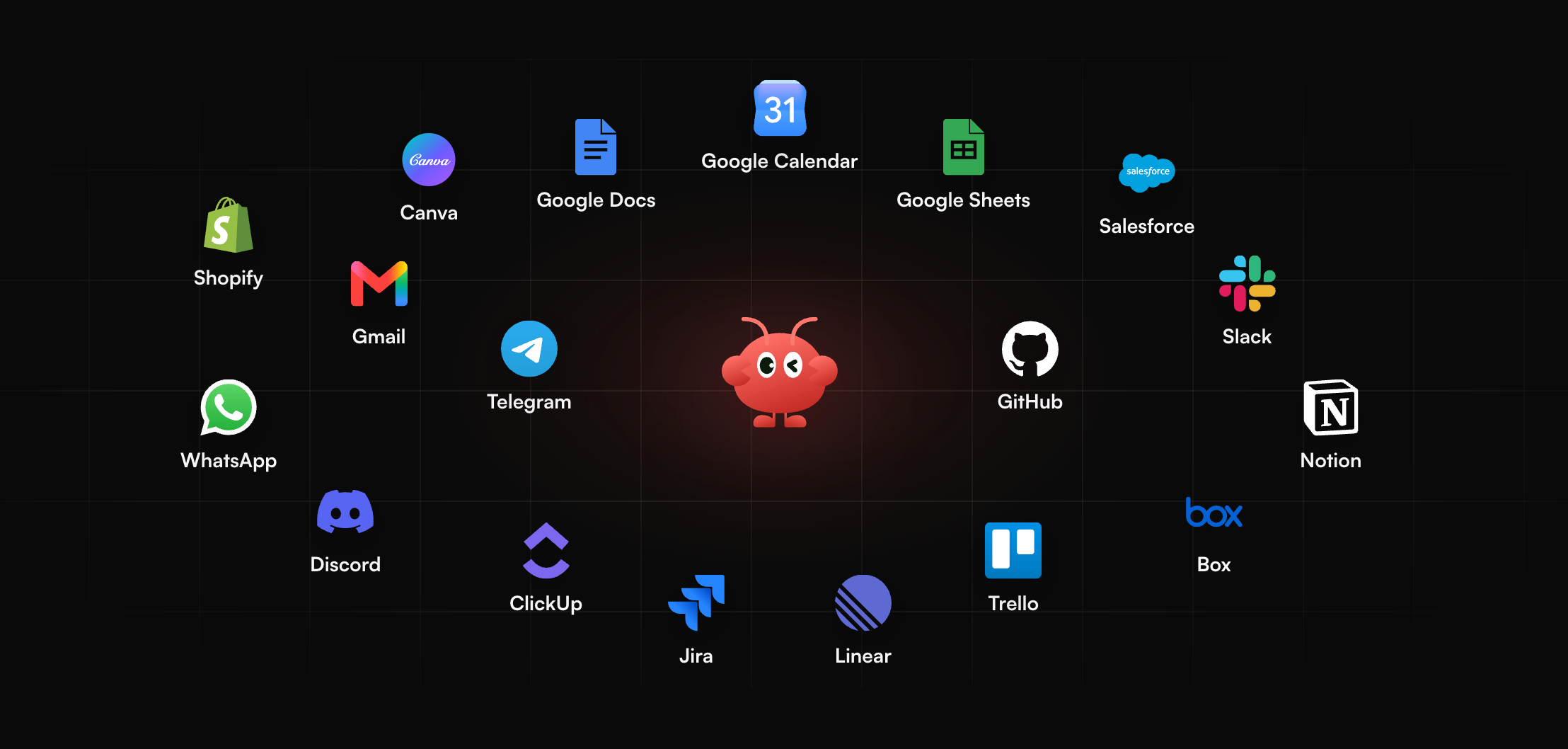
After choosing a model, recurring reviews need a persistent home for repository context, tools, schedules, and results. MyClaw provides managed hosting for private, always-on OpenClaw agents, with supported model choices and reusable skills.
A practical starting workflow is a scheduled review of recent repository changes:
- Launch a private OpenClaw workspace. Use managed OpenClaw hosting and choose resources that fit your repository and test workload. Begin with one project so you can inspect the results closely.
- Connect your repository and choose a supported model. Configure tools and credentials, then confirm the exact model available in your workspace. As of November 10, 2026, MyClaw support for Mythos 5.2 has not been confirmed. Start with a supported model that meets your task requirements.
- Schedule a review and inspect the evidence. Ask for a diff summary, focused tests, and proposed changes for human approval. Compare the output with your acceptance criteria, then record cost and review time before increasing frequency.
The managed versus self-hosted OpenClaw comparison helps you decide who should maintain the underlying environment. MyClaw handles the hosting layer while you define the task, permissions, and acceptance criteria. Model-provider authorization remains a separate requirement.
Verdict: Apply When Specialist Access Solves a Real Problem
Mythos 5.2 merits a trial when specialist access solves an identified problem. Its lower rates strengthen the upgrade case for 5.1 users; restricted access and the premium over Opus make it a more selective choice for everyone else.
Before applying or migrating, choose one task your current setup handles poorly and define what an acceptable result would look like. Let that result, its total cost, and the review effort determine whether to expand usage.
Skip the Setup, Run Best-in-Class AI Agents Now
Launch a managed OpenClaw or Hermes Agent workspace in minutes, with always-on hosting, updates, and support handled by MyClaw.