Claude Fable 5.2 vs 5.1: Pricing, Benchmarks & Upgrade

By Julian Brooks
MyClaw Editorial
Compare in MyClaw
Compare Claude Fable 5.2 and Claude Fable 5.1 on your own work
Give both models the same task and compare quality, speed, and cost.
AI Takeaway
- Should you upgrade? Fable 5.2 is the stronger starting point for new, demanding workflows. For an established 5.1 setup, switch after checking compatibility and output quality.
- Is Fable 5.2 cheaper? Standard API input and output rates are 20% lower. Actual savings depend on token usage, tools, retries, and the time needed to review the result.
- What improves? Anthropic reports higher coding and reasoning scores and up to 30% faster output generation. Context and maximum output limits stay the same.
- What can break? Custom API clients need checks for conversation history, preserved thinking, computer-use tools, and advisor pairing.
Claude Fable 5.2 vs 5.1 at a Glance
Fable 5.2 brings lower token rates and stronger reported performance without increasing the context window or output limit. Specifications and access details below were checked on November 10, 2026.
| Detail | Claude Fable 5.2 | Claude Fable 5.1 |
|---|---|---|
| Release | November 9, 2026 | September 2026 |
| Claude API model ID | claude-fable-5-2 | claude-fable-5-1 |
| Standard input, per million tokens | $8 | $10 |
| Standard output, per million tokens | $40 | $50 |
| Cache reads, per million tokens | $0.20 | $0.25 |
| Context window | 1 million tokens | 1 million tokens |
| Maximum output | 128K tokens | 128K tokens |
| Adaptive thinking | Always on | Always on |
Both versions serve demanding coding and knowledge work. The original Claude Fable 5 guide explains the family’s focus on sustained tasks. With 5.2, the upgrade case is stronger performance and lower rates; the unchanged limits give you no additional room for documents or generated output.
Coding, Reasoning, and Speed: What Improves?

Coding and Long-Running Tasks
Anthropic reports 49.1% for Fable 5.2 versus 32.4% for Fable 5.1 on FrontierCode 2.0, both at Xhigh effort. That is a 16.7 percentage-point increase on this coding evaluation.
The practical question is whether 5.2 can finish a stubborn bug fix, multi-file change, or migration that repeatedly stalled on 5.1. Judge the final patch against passing tests, correct behavior, and the scope you requested.
For hosted coding agent workflows, record how often you need to redirect the agent or repair its changes. A model that produces a usable patch with fewer interventions may save more time than one that simply generates code faster.
Research and Reasoning
On Humanity’s Last Exam with tools, Anthropic reports 74.2% for 5.2 and 65.6% for 5.1, using each model’s highest available effort. These are vendor-reported results on demanding academic questions, so they are evidence of capability rather than a forecast for your reports.
For research agent workflows, compare source accuracy, handling of conflicting evidence, and unsupported conclusions. Include the time you spend checking the result.
Anthropic also reports output generation up to 30% faster than 5.1. A complete job still includes thinking, browsing, tool execution, and verification, so measure elapsed time separately.
Fable 5.2 Pricing: Lower Rates, Variable Task Costs
Compare the Same Token Volume
At standard Claude API rates, one million uncached input tokens plus 100,000 output tokens costs:
- Fable 5.2: $8 input + $4 output = $12.
- Fable 5.1: $10 input + $5 output = $15.
That fixed-volume example saves $3, or 20%. It excludes tools, cache operations, and additional attempts. Count billed thinking tokens within output usage.
For repeated context, cache reads cost $0.20 per million tokens on 5.2 versus $0.25 on 5.1; cache writes are billed separately. Optional Fable 5.2 fast mode costs $16 input and $80 output per million tokens. Budget for the mode and caching pattern you will actually use.
Compare the Same Finished Task
At standard rates, the 20% cut allows 25% more token usage before the token bill returns to its previous level, assuming the same input/output mix and billing categories. Beyond that, greater usage can outweigh the discount.
Set effort explicitly when comparing versions. The API defaults to high, while Anthropic identifies medium as the default in Claude apps and Claude Code. A test across different interfaces can otherwise compare different settings without making that obvious.
Include retries in each task’s total. A patch with failing tests or a report whose central claims need to be researched again has not yet delivered an accepted result.
Track cost per accepted result alongside completion and review time. For hosted agents, budget for infrastructure separately. MyClaw hosting plans and token billing separate the subscription from AI token usage, with credits available on some plans.
Claude Code and Paid-Plan Access
Fable 5.2 requires Claude Code version 2.1.321 or later. Update the client, select the model, and check organization permissions if it remains unavailable.
Pro and standard Team seats use pay-as-you-go credits for Fable. Max, Ultra, and eligible Team or seat-based Enterprise premium seats allow Fable to use up to 50% of the plan’s weekly limit, shared with other model usage. Usage-based Enterprise access follows API billing. Check your account for temporary launch allowances before estimating ongoing costs.
If you want persistent agents with a choice of supported models, the Claude and MyClaw workflow comparison covers the workspace options. Check the authentication and billing arrangement for the runtime you choose; a Claude subscription alone does not guarantee access there.
What to Check Before Switching from Fable 5.1
If your application constructs API requests, review these four migration points:
- Conversation edits: Fable 5.2 validates the history preceding preserved thinking blocks on every account. Editing earlier messages, system instructions, or tools can cause a 400 error when those blocks are reused.
- Switching back: On the Claude API, 5.2 can read 5.1’s thinking blocks, but 5.1 cannot read 5.2’s. A rollback can retain text and tool calls while losing access to that reasoning.
- Computer use: The older
computer_20251124tool is rejected outside Amazon Bedrock. Update affected integrations tocomputer_toolset_20260801. - Advisor pairing: If you use the advisor tool, a Fable 5.2 executor needs a Fable 5.2 or Mythos 5.2 advisor. Change the pairing in a new conversation.
Anthropic says the history-prefix change requires no action when Claude Code or Claude’s apps manage your requests. Custom clients should test their conversation handling before moving production traffic.
Start with a small evaluation: one coding change, one evidence-based research task, and one repeated workflow. Run both versions in fresh conversations with equivalent tools and explicit effort settings. Repeat ambiguous cases rather than declaring a winner from one attempt.
Use observable acceptance criteria: a patch passes the relevant checks; a research brief supports its central claims; a recurring job produces the required artifact and reports failures. An unfinished run should count as incomplete even if its explanation sounds convincing.
Compare acceptance rate, total token and tool cost, elapsed time, and human corrections. Save the working 5.1 configuration and define what would trigger a rollback before changing ongoing jobs.
Run Persistent OpenClaw Workflows with MyClaw
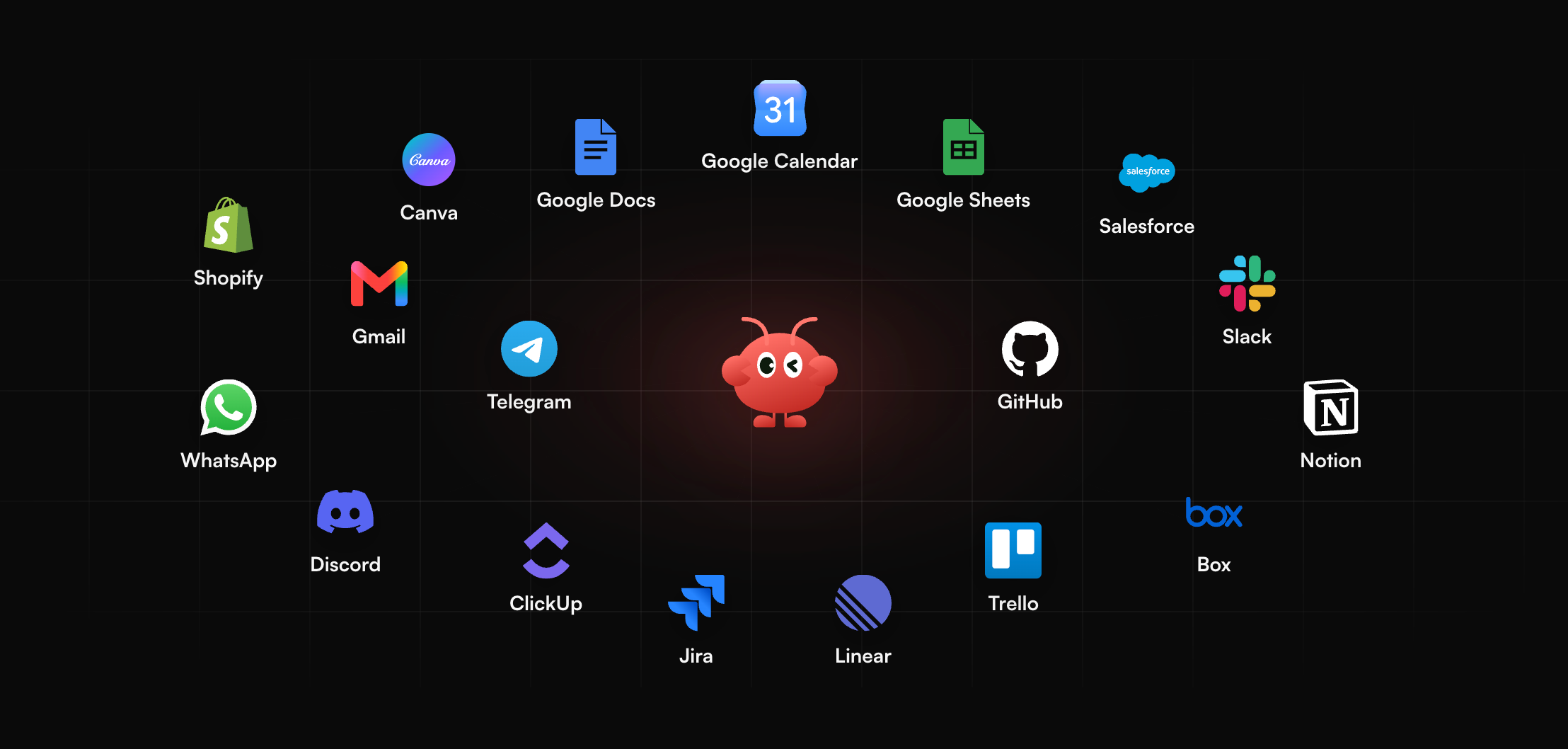
Once you have chosen a model, recurring work needs a workspace that stays available between reviews. MyClaw provides managed OpenClaw hosting for private, always-on agents, with updates and backups handled as part of the hosting service.
For example, you could keep a repository-check routine or a research update running between reviews, with the task context and outputs in one workspace. Confirm Fable 5.2 availability through your chosen runtime and provider first. A private hosted workspace does not change the model provider’s data-retention requirements.
Use this three-step setup:
- Start with one useful job. Set up a MyClaw OpenClaw instance and connect the repository or research files it needs. Request a specific deliverable, such as a tested patch or an evidence table.
- Connect and configure the model. Check supported model IDs and credentials. Select Fable 5.2 when available, set effort explicitly, and establish a usage budget before the first run.
- Review before scheduling. Run the job once, inspect its output and usage, and compare it with your 5.1 baseline. Schedule it after validation, keeping review checkpoints for consequential actions.
Keep the first scheduled job narrow enough to inspect easily, then expand it once you understand its quality and operating cost.
Should You Upgrade to Fable 5.2?
Choose 5.2 for new demanding workflows; keep 5.1 temporarily when an integration change or quality regression blocks the switch. For an existing workflow, compare one representative job first. Move recurring work only after the output, total cost, and compatibility meet your requirements.
Compare in MyClaw
Compare Claude Fable 5.2 and Claude Fable 5.1 on your own work
Give both models the same task and compare quality, speed, and cost.